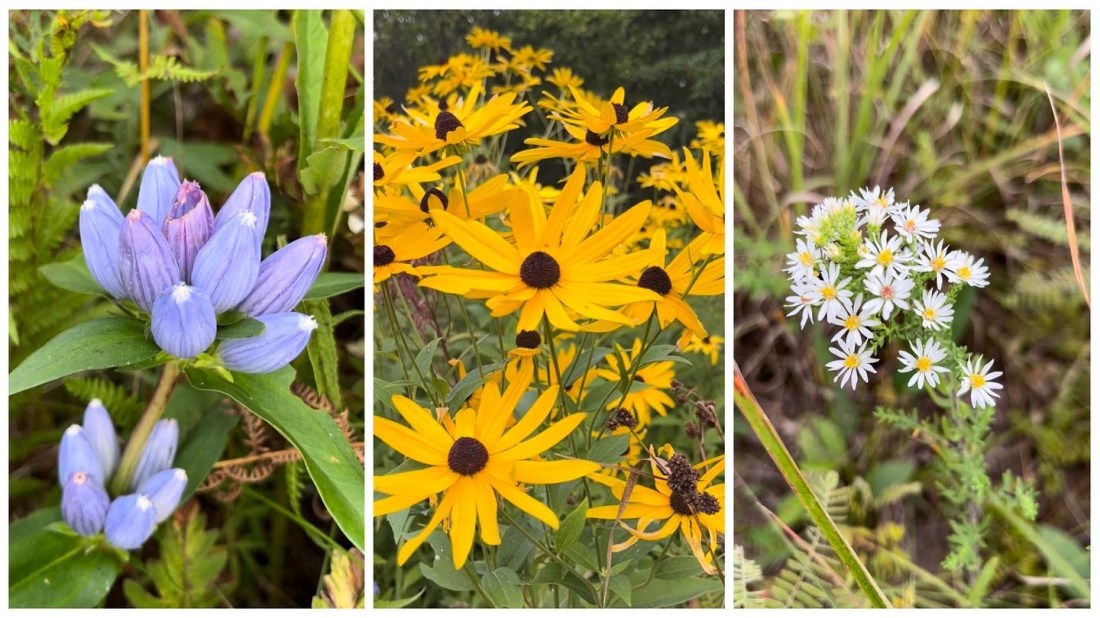
You can expect to see prairies, meadows, and pocket plantings springing up around Washington County from Forest Lake to St. Paul Park, thanks to new grant funding from the Minnesota Board of Water and Soil Resources. In the coming year, Washington Conservation District (WCD) will receive $185,000 in funding through the Pollinator Pathways program and $246,000 through the Habitat Enhancement Landscape Program (HELP) to restore and improve wildlife and pollinator habitat in more than a dozen priority locations.

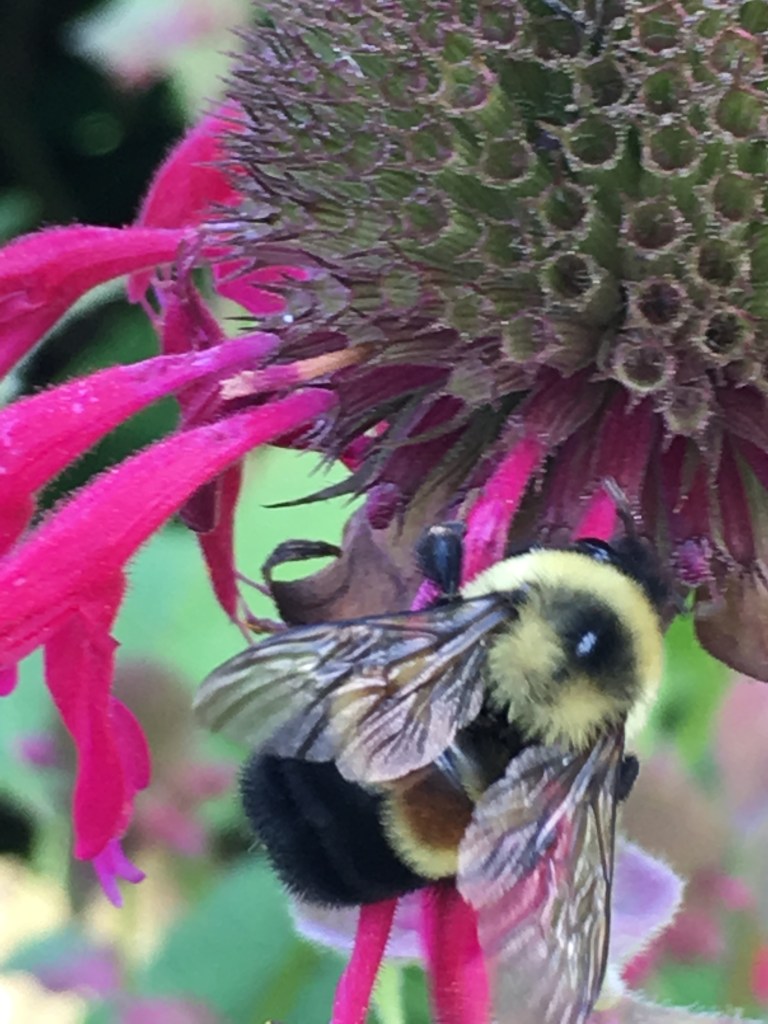
The goal of Pollinator Pathways is to support collaborative efforts that create habitat corridors, especially for at-risk species like the endangered rusty patched bumblebee. The WCD will use its funding to create pollinator-friendly landscapes at five local schools and install at least 50 new native plantings in locations identified as “high potential zones” for rusty patched bumblebees (Newport, St. Paul Park, downtown Afton, and the Croixview neighborhood of Stillwater).
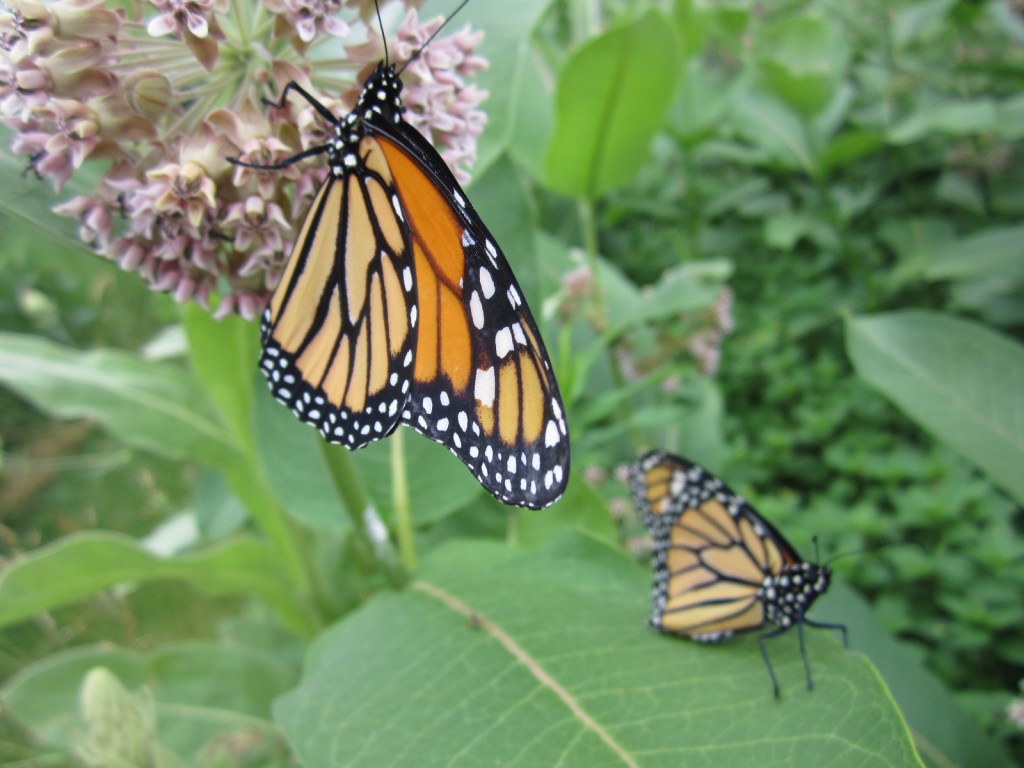
In addition, funds from the HELP grant will support large-scale habitat restoration work in Forest Lake, May Township, Marine on St. Croix, Grant, Bichwood Village, Stillwater, Baytown Township, Afton and St. Paul Park that will improve habitat for at-risk species, including the rusty patched bumble bee, monarch butterfly, great spangled fritillary, Blanding’s turtle, golden-winged warbler, and savanna and grasshopper sparrows. These projects will also help to protect local lakes, rivers, and wetlands, improve soil health, and build climate resiliency. A few of the planned initiatives include converting 25 acres of cropland to prairie at Big Marine Park Reserve, establishing a 1.5 acre prairie at Forest Lake Area High School, and enhancing 2.5 acres of low-quality prairie at Brown’s Creek Park in Stillwater through prescribed burning, seeding, invasive species removal, and new plantings.

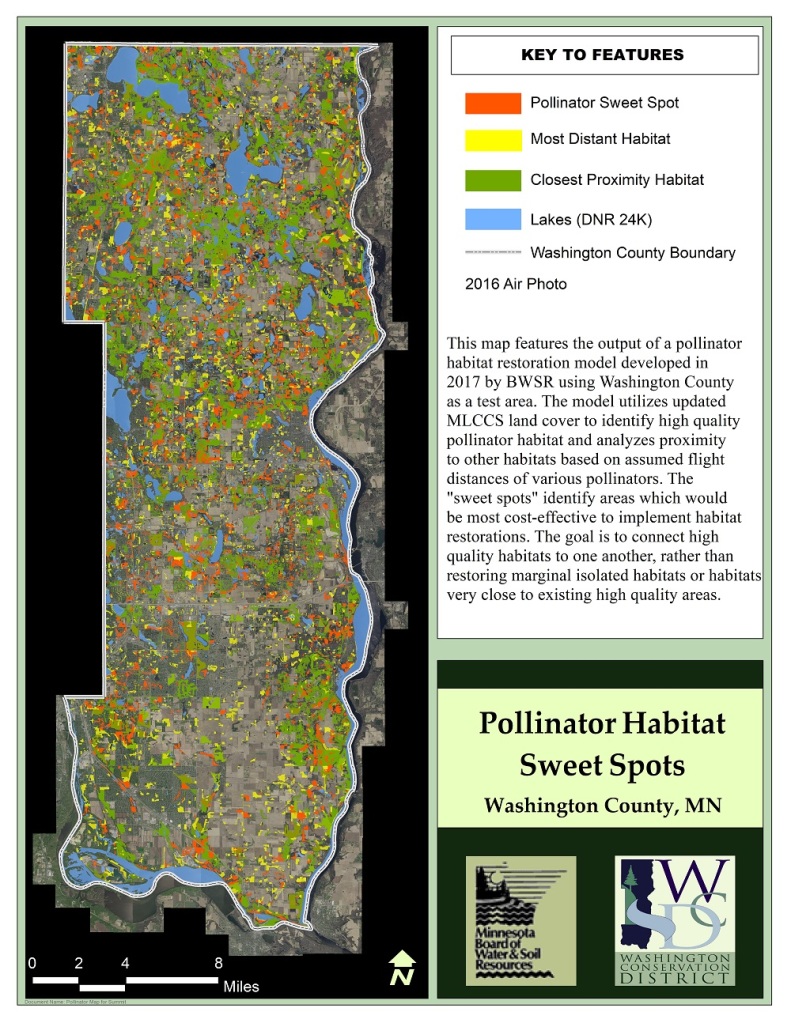
Though Washington is one of the smallest counties in Minnesota (4th smallest out of 87), it lies at the confluence of the Mississippi and St. Croix Rivers and has more than 250 lakes and dozens of streams, making it a hotspot for biodiversity. In 2011, the Washington Conservation District worked in partnership with Washington County to map existing high quality habitat and prioritize locations for permanent land protection in order to ensure connected wildlife corridors and protect water resources. Later, in 2017, the WCD and Board of Water and Soil Resources worked together to develop a pollinator habitat restoration model that identified “sweet spots” where landscape restoration projects could help to expand these habitat corridors. Funds from the Pollinator Pathways and HELP grants will allow the WCD to translate its plans into action and focus restoration work where it will be most beneficial for at-risk species.
If you’re interested in supporting birds, bees and butterflies in your own backyard, fall is actually a great time to begin a new native planting. Plant native plants from small packs or pots in the early fall, between September and mid-October, to take advantage of the cooler weather and give plants a chance to begin rooting before the winter. A little later in the fall, between early November and mid-December, is the best time to seed bee lawns and native prairies. In addition, individuals can go online to www.BlueThumb.org between now and Nov. 30 to apply for $400 Lawns to Legumes grants to help fund their pollinator planting projects.
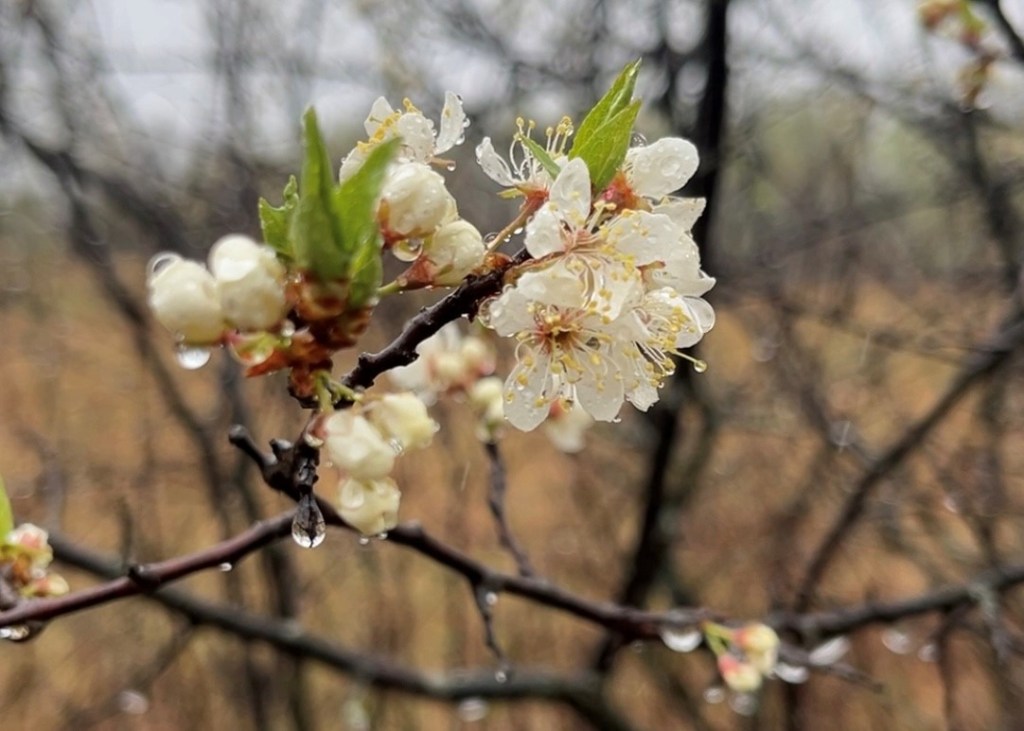
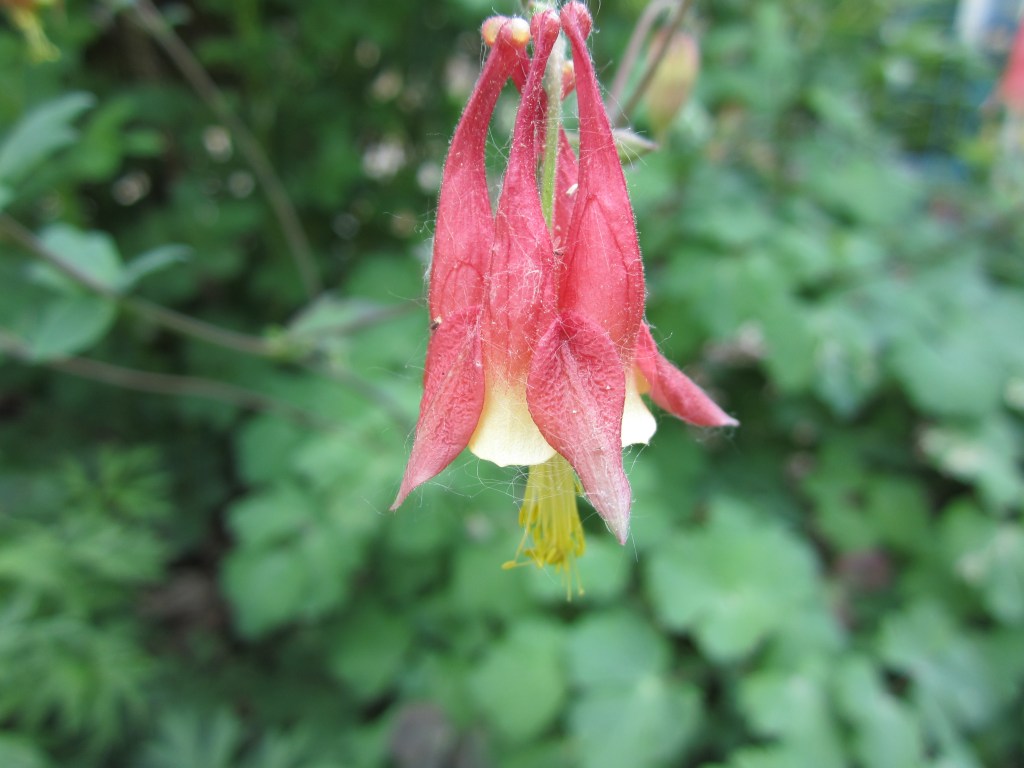
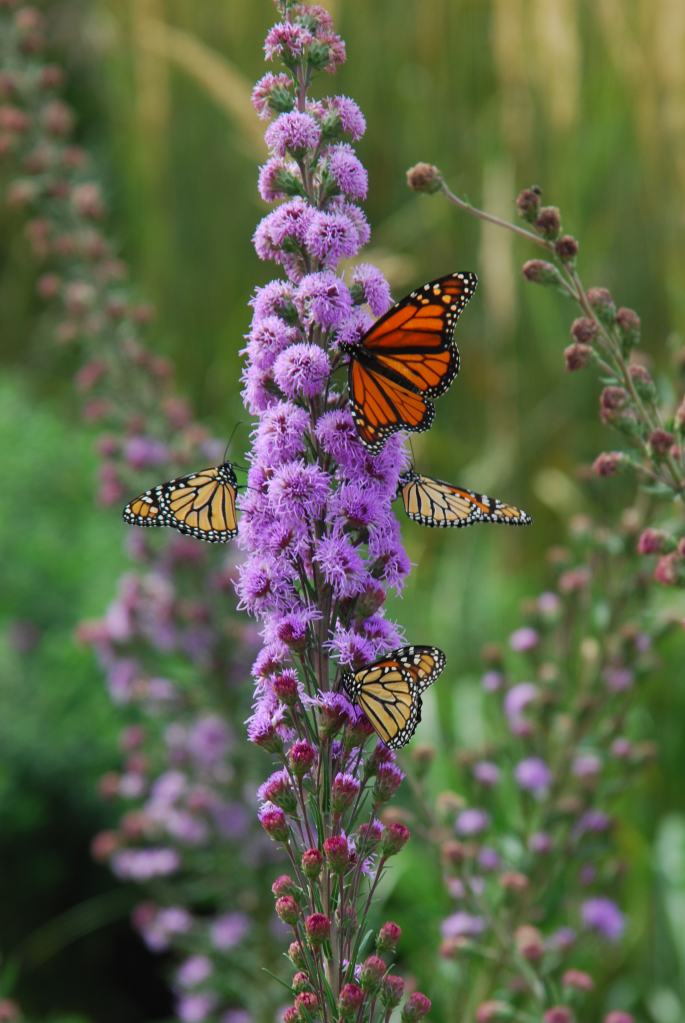
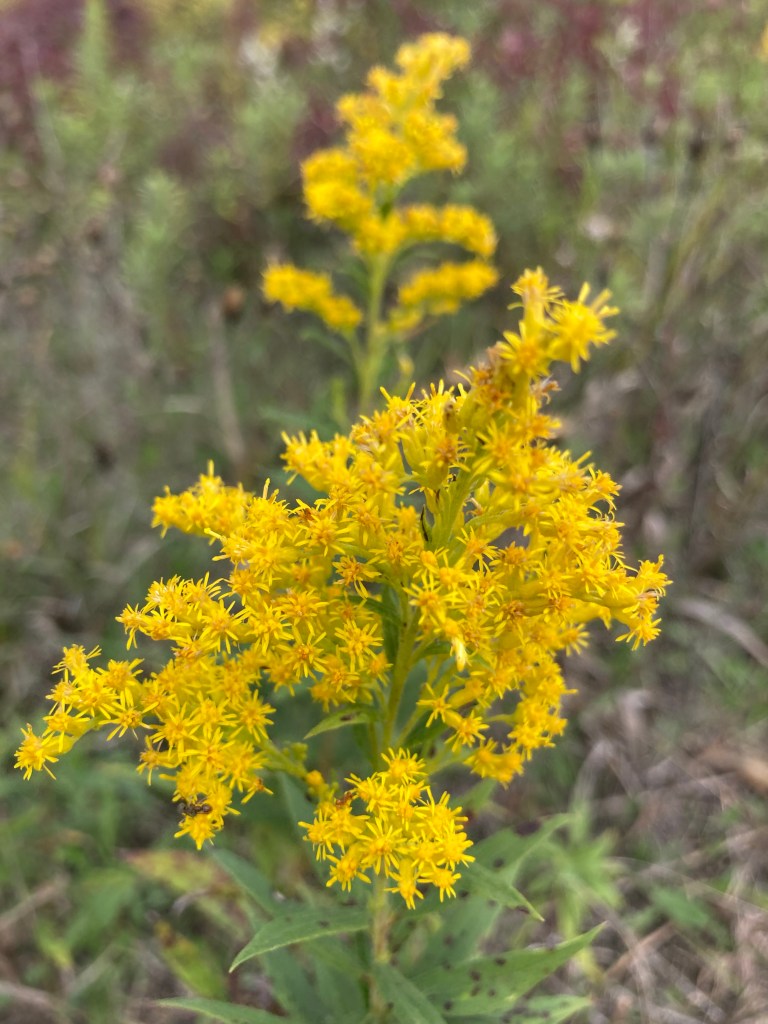
If you’re looking for species recommendations, a few options to consider include serviceberry, plum, and cherry trees, as well as wild columbine, wild geranium, purple coneflower, joe pye weed, native milkweed species, blazingstar, bee balm, goldenrods, and asters.